According to French health authorities, as part of the investigations carried out on the cases of serious haemolytic and uraemic syndromes (HUS) reported since January 1, 2022, the analyzes (epidemiological, microbiological and traceability) carried out suggest, at this stage, a possible link with the consumption of frozen pizzas from the Fraîch’Up range of the Buitoni brand. Investigations are continuing to determine the origin of the contamination, including for other products, as well as epidemiological investigations in order to establish potential links with all the cases detected in the territory since the beginning of January 2022.

Consequently, as a precautionary measure, and pending additional analyses, the company is proceeding today with the withdrawal-recall of all the pizzas in the Fraîch’Up range, of the Buitoni brand, marketed on this day.

As of March 17, 2022, 27 cases of HUS or serious infection, linked to E. coli bacteria with similar characteristics, have been identified, and 31 additional cases are under investigation. These 58 cases occurred in 12 regions of metropolitan France: Hauts-de-France (13 cases), New Aquitaine (9 cases), Pays de la Loire (9 cases), Brittany (6 cases), Ile-de-France ( 6 cases), Grand Est (5 cases), Auvergne-Rhône-Alpes (3 cases), Bourgogne Franche-Comté (2 cases), Center Val-de-Loire (2 cases) Normandy (1 case), Occitanie (1 case ) and Provence-Alpes-Côte d’Azur (1 case). The sick children, aged 1 to 18 years with a median age of 5 ½ years, presented symptoms between 10/01/2022 and 10/03/2022. Two children died.

Public Health France, in conjunction with the National Reference Centers for E. coli, the General Directorate for Food, the General Directorate for Competition, Consumption and the Repression of Fraud, and in coordination with the General Directorate for Health, is continuing to investigate all cases of pediatric HUS reported since January 1, 2022.
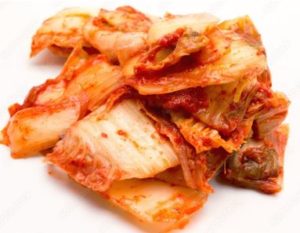
As of February 7, there have been 14 laboratory-confirmed cases of E.coli O157 illness linked to this outbreak in the following provinces: Alberta (13) and Saskatchewan (1).

Individuals became sick between early December 2021 and early January 2022. No deaths or hospitalizations have been reported. Individuals who became ill are between 0 and 61 years of age. The majority of cases (64%) are female.

The CFIA issued food recall warnings on January 28, 2022 and February 6, 2022 for Hankook (Korean characters only) brand Original Kimchi products. The recalled products were distributed in British Columbia, Alberta, Saskatchewan, and Manitoba.

The CFIA is continuing its food safety investigation, which may lead to the recall of other products. If other products are recalled, the CFIA will notify the public through updated food recall warnings.

Federal officials are reporting that an outbreak of E. coli O121:H9 infections linked to romaine lettuce has ended.

Four illnesses were confirmed in the outbreak. Little other information was available from the Food and Drug Administration.

“The information collected over the course of this investigation indicated that romaine lettuce was the likely source of this outbreak; however, it appears that this outbreak is over, and there is no actionable advice for consumers,” according to FDA officials.

“FDA has been conducting a traceback investigation and other activities in an effort to learn more about possible sources or routes of contamination.”

The FDA first reported the outbreak two weeks ago but has not shared any information about patient demographics or what states are involved. The agency did not report when the first illness was reported or when the last one was logged by public health officials.

As of Jan. 26, the Centers for Disease Control and Prevention had not posted any information about the outbreak. That is generally standing procedure for the agency if a specific product is not identified.

As of December 29, 2021, 13 people infected with the outbreak strain of E. coli O157:H7 have been reported from six states – Washington – 7, Alaska – 2, California – 1, Mississippi – 1, Ohio – 1, Oregon – 1. Illnesses started on dates ranging from November 27, 2021, to December 9, 2021.

Sick people range in age from 4 to 79 years, with a median age of 54, and 92% are female. Of 12 people with information available, four have been hospitalized and one person developed a type of kidney failure called hemolytic uremic syndrome (HUS). No deaths have been reported.

State and local public health officials are interviewing people about the foods they ate in the week before they got sick. Of 12 people interviewed, all reported eating packaged salads. Of 10 people who provided brand information, 6 ate or bought Simple Truth Organic Power Greens and 1 ate Nature’s Basket Organic Power Greens. Both Organic Power Greens salads have the same mix of leafy greens: organic spinach, mizuna, kale, and chard. Several sick people reported using these salads in smoothies.

Public health investigators are using the PulseNet system to identify illnesses that may be part of this outbreak. CDC PulseNet manages a national database of DNA fingerprints of bacteria that cause foodborne illnesses. DNA fingerprinting is performed on bacteria using a method called whole genome sequencing (WGS).

WGS showed that bacteria from sick people’s samples are closely related genetically. This suggests that people in this outbreak got sick from the same food.

CDC is advising not to eat Simple Truth Organic Power Greens and Nature’s Basket Organic Power Greens with “best if used by” dates through December 20, 2021. Investigators are working to determine if additional products may be contaminated.

Federal officials have opened an investigation into an outbreak of E. Coli O157:H7 infections suspected to be linked to ground beef.

Other than the fact there is an open investigation, no other published information is available from the USDA’s Food Safety and Inspection Service (FSIS). The FSIS has not indicated what producers or what brands of ground beef might be involved. The agency also has not revealed how many people have been infected or what states are involved.

The FSIS outbreak investigation table has a column for “Outcomes & References” but the column for the new outbreak was blank as of Dec. 10.

“During investigations, FSIS may respond by posting recalls of FSIS-regulated products linked to illness or by issuing public health alerts,” according to the FSIS outbreak investigation website. 

“The Outcomes & References column includes links to recall notices, public health alerts, and after-action review reports, as well as CDC outbreak notices for selected multi-state foodborne outbreaks, which provide additional information.”

The Centers for Disease Control and Prevention had not yet announced the outbreak as of Dec. 11. Consequently the FSIS cannot yet post links to any CDC references re alerts.


Anyone who has eaten ground beef and developed symptoms of E. coli infection should seek medical attention and tell their doctor about their possible exposure to the bacteria. Specific tests are required to diagnose the infections, which can mimic other illnesses.

The symptoms of E. coli infections vary for each person but often include severe stomach cramps and diarrhea, which is often bloody. Some patients may also have a fever. Most patients recover within five to seven days. Others can develop severe or life-threatening symptoms and complications, according to the Centers for Disease Control and Prevention.

About 5 percent to 10 percent of those who are diagnosed with E. coli infections develop a potentially life-threatening kidney failure complication, known as hemolytic uremic syndrome (HUS). Symptoms of HUS include fever, abdominal pain, feeling very tired, decreased frequency of urination, small unexplained bruises or bleeding, and pallor. 

Many people with HUS recover within a few weeks, but some suffer permanent injuries or die. This condition can occur among people of any age but is most common in children younger than 5 years old because of their immature immune systems; older adults because of deteriorating immune systems; and people with compromised immune systems such as cancer patients. 

People who experience HUS symptoms should seek emergency medical care immediately. People with HUS should be hospitalized because it can cause other serious and ongoing problems such as hypertension, chronic kidney disease, brain damage and neurologic problems.

Epidemiologic and laboratory data show that Josie’s Organics prepackaged baby spinach with a “best by” date of October 23, 2021, may be contaminated with E. coli and may be making people sick.

Since the last update on November 15, four more illnesses have been reported. As of December 3, 2021, a total of 14 people infected with the outbreak strain of E. coli O157:H7 have been reported from nine states. Illnesses started on dates ranging from October 13, 2021, to October 27, 2021.

Sick people range in age from 2 to 76 years, with a median age of 26, and 79% are female. Of 12 people with information available, 4 have been hospitalized and 3 developed a type of kidney failure called hemolytic uremic syndrome (HUS). No deaths have been reported.

The true number of sick people in an outbreak is likely much higher than the number reported, and the outbreak may not be limited to the states with known illnesses. This is because many people recover without medical care and are not tested for E. coli. In addition, recent illnesses may not yet be reported as it usually takes 3 to 4 weeks to determine if a sick person is part of an outbreak.

State and local public health officials are interviewing people about the foods they ate in the week before they got sick. Of the 12 people interviewed, 10 (83%) reported eating spinach in the week before they got sick. This percentage was significantly higher than the 46% of respondents who reported eating spinach in the previous week in the FoodNet Population Survey, a survey that helps estimate how often people eat various foods. This difference suggests that people in this outbreak got sick from eating spinach. Six people reported eating Josie’s Organics brand spinach.

On November 15, 2021, CDC reported that officials in Minnesota found E. coli O157:H7 in a package of leftover Josie’s Organics baby spinach collected from a sick person’s home. Whole genome sequencing (DNA fingerprinting for bacteria) showed that the E. coli O157:H7 in the leftover package of spinach is closely related to bacteria isolated from ill people. This means that the person likely got sick from eating the spinach.

Epidemiologic and laboratory data show that Josie’s Organics prepackaged baby spinach with a “best by” date of October 23, 2021, may be contaminated with E. coli and may be making people sick.

Since the last update on November 15, four more illnesses have been reported. As of December 3, 2021, a total of 14 people infected with the outbreak strain of E. coli O157:H7 have been reported from nine states. Illnesses started on dates ranging from October 13, 2021, to October 27, 2021.

Sick people range in age from 2 to 76 years, with a median age of 26, and 79% are female. Of 12 people with information available, 4 have been hospitalized and 3 developed a type of kidney failure called hemolytic uremic syndrome (HUS). No deaths have been reported.

The true number of sick people in an outbreak is likely much higher than the number reported, and the outbreak may not be limited to the states with known illnesses. This is because many people recover without medical care and are not tested for E. coli. In addition, recent illnesses may not yet be reported as it usually takes 3 to 4 weeks to determine if a sick person is part of an outbreak.

State and local public health officials are interviewing people about the foods they ate in the week before they got sick. Of the 12 people interviewed, 10 (83%) reported eating spinach in the week before they got sick. This percentage was significantly higher than the 46% of respondents who reported eating spinach in the previous week in the FoodNet Population Survey, a survey that helps estimate how often people eat various foods. This difference suggests that people in this outbreak got sick from eating spinach. Six people reported eating Josie’s Organics brand spinach.

On November 15, 2021, CDC reported that officials in Minnesota found E. coli O157:H7 in a package of leftover Josie’s Organics baby spinach collected from a sick person’s home. Whole genome sequencing (DNA fingerprinting for bacteria) showed that the E. coli O157:H7 in the leftover package of spinach is closely related to bacteria isolated from ill people. This means that the person likely got sick from eating the spinach.

As of November 15, 2021, a total of 10 people infected with the outbreak strain of E. coli O157:H7 have been reported from seven states – Minnesota, South Dakota, Iowa, Missouri, Michigan, Illinois, Ohio

Illnesses started on dates ranging from October 15, 2021, to October 27, 2021.

Sick people range in age from 2 to 71 years, with a median age of 26, and 70% are female. Of eight people with information available, two have been hospitalized. No deaths have been reported.

The true number of sick people in an outbreak is likely much higher than the number reported, and the outbreak may not be limited to the states with known illnesses. This is because many people recover without medical care and are not tested for E. coli. In addition, recent illnesses may not yet be reported as it usually takes 3 to 4 weeks to determine if a sick person is part of an outbreak.

State and local public health officials are interviewing people about the foods they ate in the week before they got sick. Of the six people interviewed, five (83%) reported eating spinach in the week before they got sick.

Public health investigators are using the PulseNet system to identify illnesses that may be part of this outbreak. CDC PulseNet manages a national database of DNA fingerprints of bacteria that cause foodborne illnesses. DNA fingerprinting is performed on bacteria using a method called whole genome sequencing (WGS). WGS showed that bacteria from sick people’s samples are closely related genetically. This suggests that people in this outbreak got sick from the same food.

Josie’s Organics Baby Spinach

  • Sold at stores nationwide
  • “Best by” date of October 23, 2021
  • Sold in plastic clamshell containers

Minnesota officials found E. coli O157:H7 in a package of leftover Josie’s Organics baby spinach collected from a sick person’s home. Five people in this outbreak reported eating spinach in the week before they got sick and 1 reported Josie’s Organics brand.

Investigators are working to determine if additional products may be contaminated.

The thing about my practice is that I have been involved in the first E. coli lawsuit and will be involved in the next one.

E. coli Outbreak Lawsuits

Kentucky Cabinet for Health and Family Services reports that ten Kentuckians recently tested positive with a strain of E. coli O157:H7. Of the cases, two individuals developed a rare but serious condition called hemolytic uremic syndrome (HUS). Public health investigators have not yet identified the source of the outbreak but have noted that some sort of food distribution is likely.

The reported cases primarily include adults, many of whom reside in western Kentucky. No deaths linked to the outbreak have been reported but six people have been hospitalized. Health care providers have been notified of the outbreak and are advised to be alert for patients experiencing acute diarrheal illness, which could be associated with E. coli. This is a particular strain of E. coli that produces a type of toxin (Shiga toxin) that can be dangerous for those infected.

Symptoms of E. coli O157:H7 typically include stomach cramps and diarrhea, including bloody diarrhea, and people generally become ill two to five days after consuming contaminated food. E. coli O157:H7 sometimes leads to HUS, a serious complication that can cause kidney failure and can occur a week or more after the onset of diarrhea. Those most at risk of developing complications from E. coli infection include the very young, the elderly, and people with weakened immune systems. State health officials are working with staff at local health departments in the counties with suspected or confirmed cases to determine the source of the infections.

The public can help prevent E. coli infections by:

• Washing hands frequently for at least 20 seconds with soap and warm water, especially before eating, after going to the bathroom, handling raw meat and eggs, and after handling or petting animals;
• Thoroughly washing produce before eating;
• Thoroughly cooking meat;
• Cleaning and sanitizing food preparation areas;
• Avoiding swallowing lake or pool water;
• Drinking only pasteurized milk;
• Frequently cleaning and sanitizing restrooms, including door knobs and faucets; and
• Reporting diarrheal illnesses to your physician.